
#37: German road trip

Hey friends,
Holidays with small kids are fun but exhausting. I’m back and feel… unrested. But I’ll do my best to update every weekend from now till Christmas.
In the last week of our holiday we took a roadtrip from Berlin to the Bavarian Alps. Before I return to the weeds of Germany’s various problems and their possible solutions, I want to share a few impressions from the trip.
first, a short message from our sponsor
Impossible to find a flat in Berlin?
People, there is still hope: there is Get The Flat!
“We managed to find a flat within two months, and now we’re living in a lovely flat near Ostbahnhof in Berlin. We are forever grateful to this and cannot recommend it enough.”
Most of the trip was on the A9 Autobahn. Heading south in our rental car, we crossed from Brandenburg into Saxony-Anhalt and I noticed a sign like this:
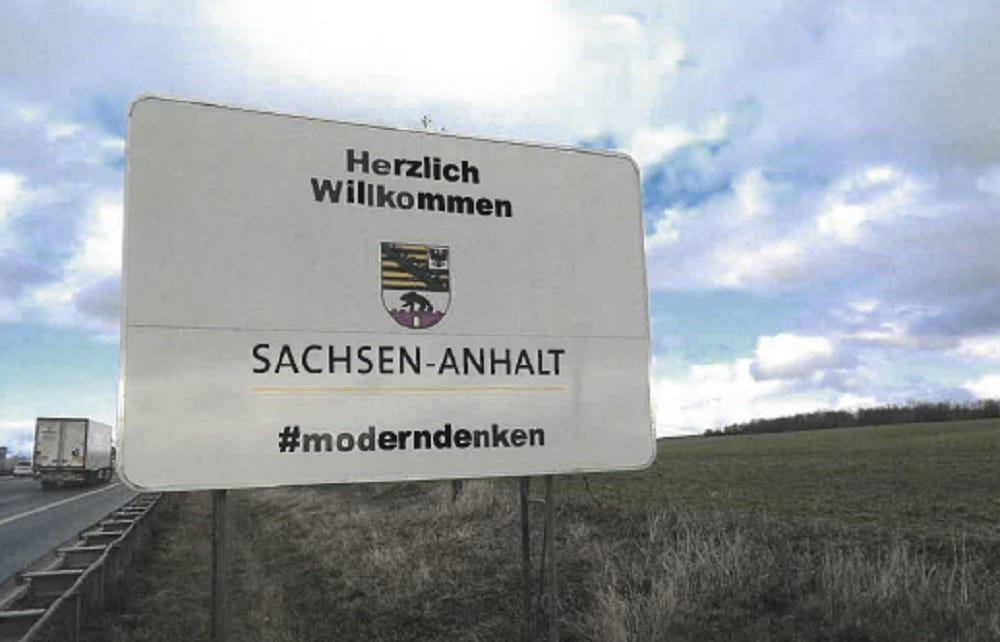
Before 2020, Saxony-Anhalt’s slogan on these signs was “Land der Frühaufsteher” (“Land of the early risers”), more endearing than the generic #moderndenken, a tagline that sounds especially hollow for a state that is very likely about to elect the first ever AfD state government in September. There's nothing modern about how the far-right party wants to turn back the dial in education, which is controlled on the state level in Germany: They want to introduce “patriotic values” in education, water down how the Third Reich is taught and even segregate refugee kids in separate classrooms.
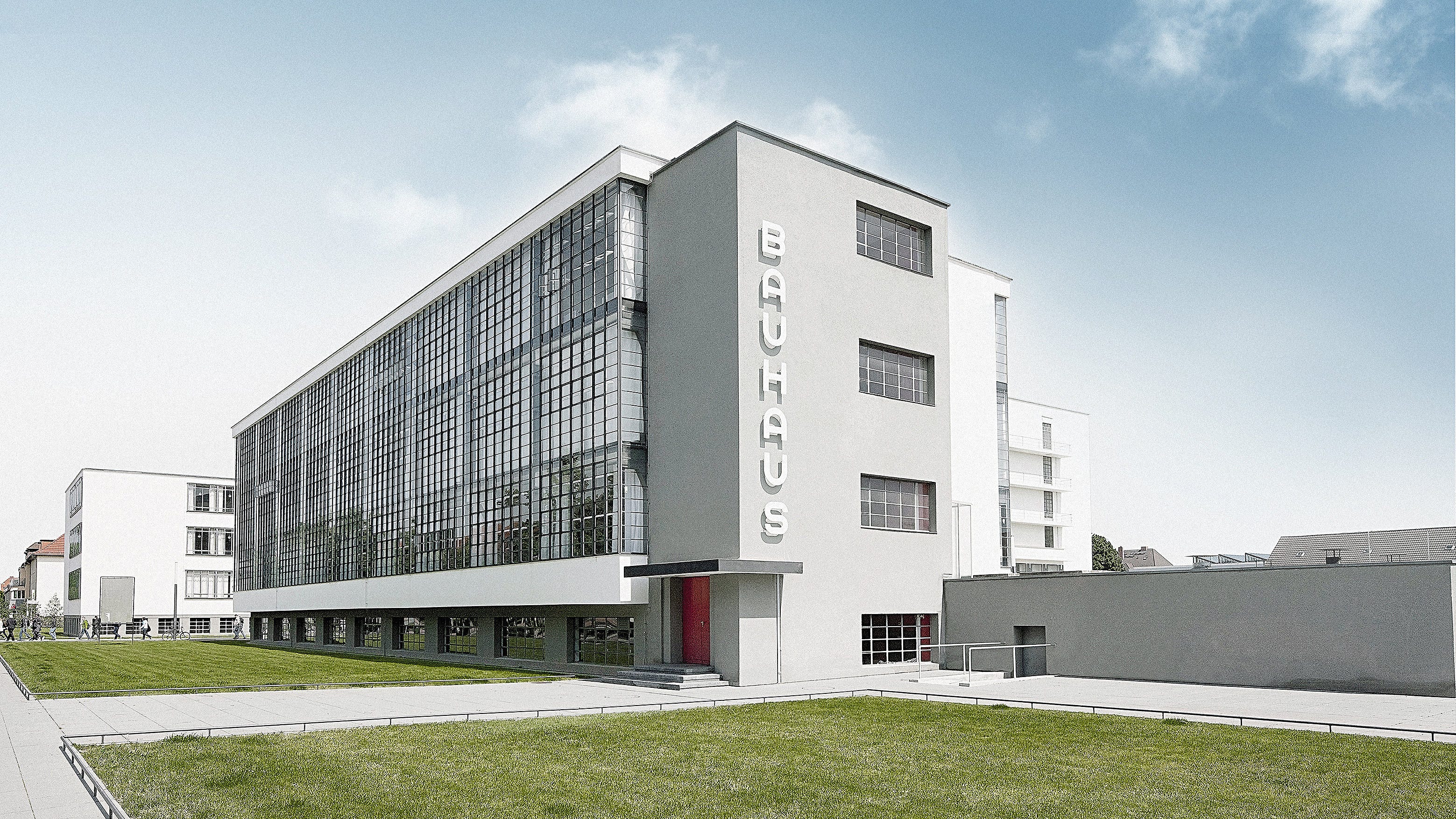
It's sad to think this region contributed massively to “modern thinking” through the hugely influential, progressive Bauhaus in Dessau, essentially the birthplace of modernist architecture and design. And now it's turning back the clock.
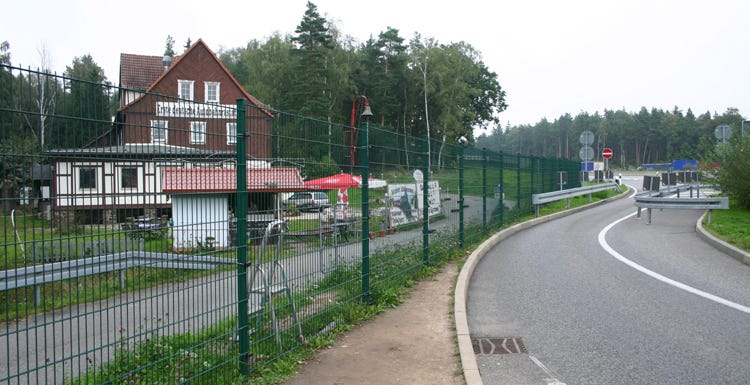
Next stop on the A9, a pee break at an odd place in Thüringen: the Rodaborn rest area near Triptis. The brown building below housed Germany’s oldest highway restaurant, opened in 1936. Now there’s just a car park with prison-style toilets. The old rest stop is behind a fence. Curiously, you can order snacks and drinks over the fence. Ring the bell and an elderly woman emerges from the hut. Shout your order and she’ll show up at the fence a few minutes later. Pay (in cash, natürlich) and she’ll climb up the ladder and hand over the goods. DO NOT ask her anything about “Germany’s oldest rest area” (which is announced in a banner on the house). She’ll reply gruffly: “What do you think it means?” and stomp away without thanking you for your business.
This bizarre little experience seemed to contain so much of the disappointment and resulting hostility that lingers in many parts of former East Germany. Why is there a fence? Read the whole story in English here. Essentially, in 2010 the woman we met, Christina Wagner, and her husband bought the property from the federal government in 2009 and began selling Wurst and drinks in 2010. The problem is they didn’t have a concession to do so. The state authorities, claiming there were enough snack places on the A9 (all run by the state-owned Tank & Rast monopoly!), built a fence. Defiant, the Wagners sold their Wurst over the fence, despite a court ruling that says it was illegal, and continue to do so till this day. Who can blame her for being bitter about the situation?
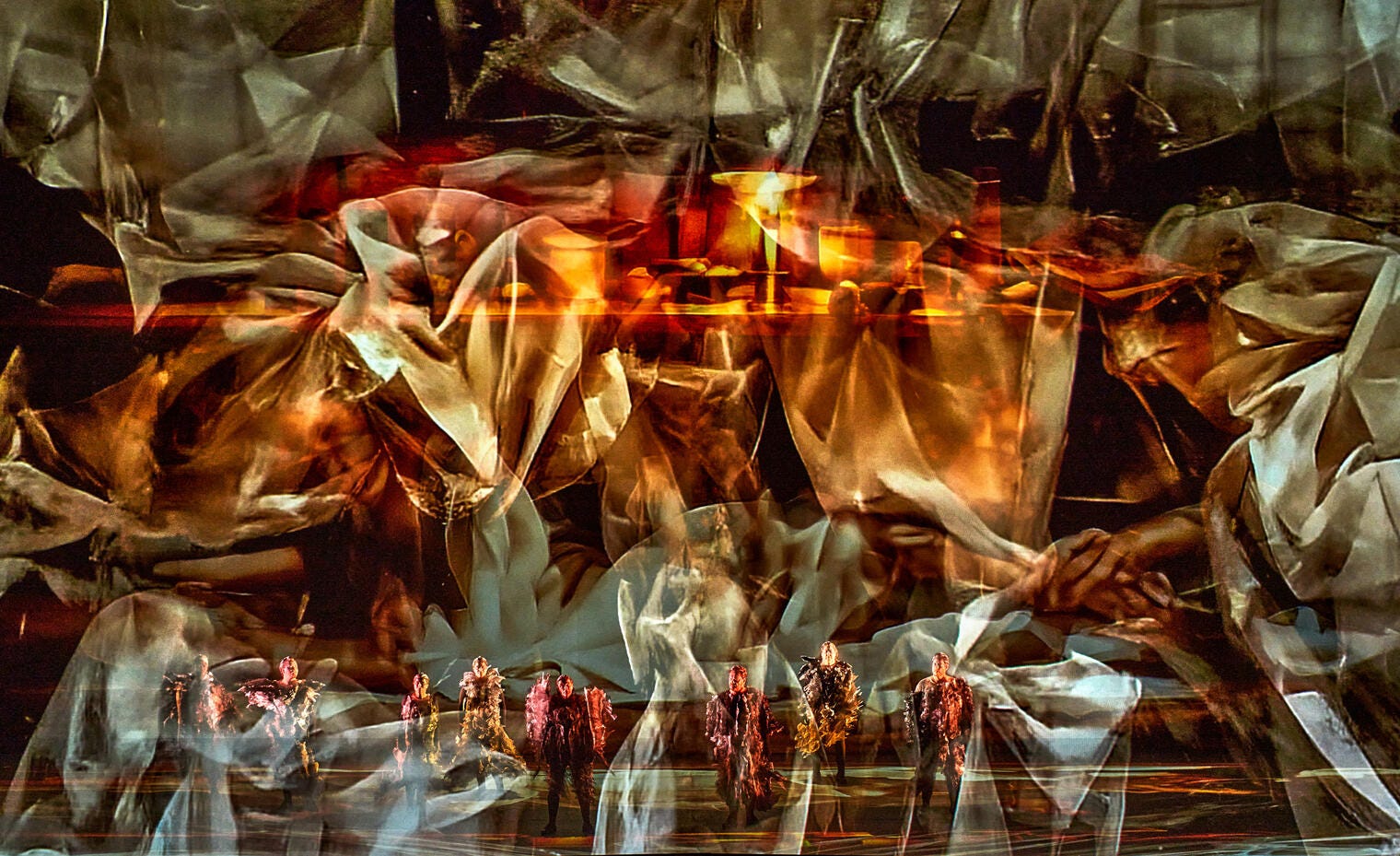
Further down the A9, we stopped in lovely Bayreuth in the Franken region of northern Bavaria. We let the kids loose in a charming little free-of-charge city zoo next to a lake we discovered by accident. The city is home of the 150-year-old Bayreuth Festival, which runs through August 26 and shows nothing by operas by that other Wagner. German politicians and celebs like to make an appearance there, probably more to network and be seen than savour Richard Wagner’s punishing works. This year the audience booed at the end of Götterdämmerung, which featured a hideous AI-generated backdrop. #moderndenken done wrong. AI was used, it was rumoured, because of budgetary problems. Very Germany 2026.
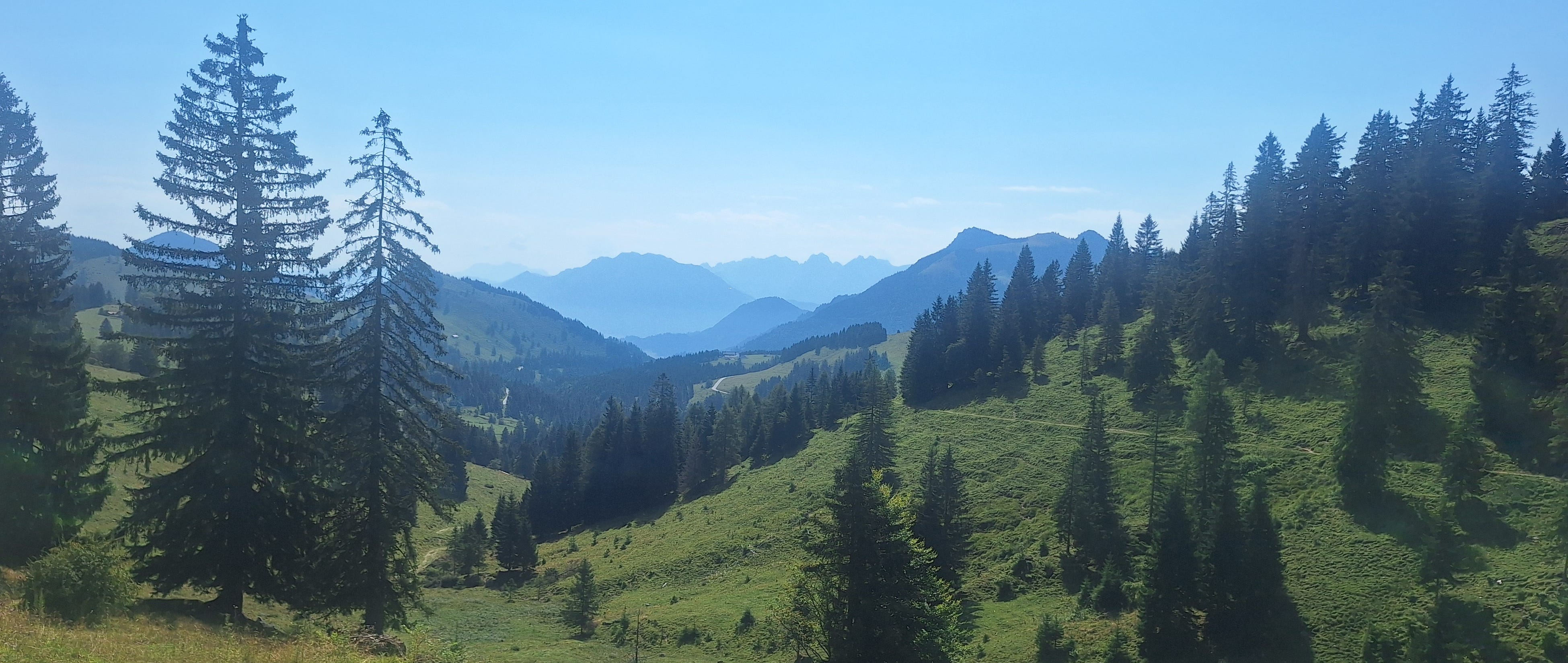
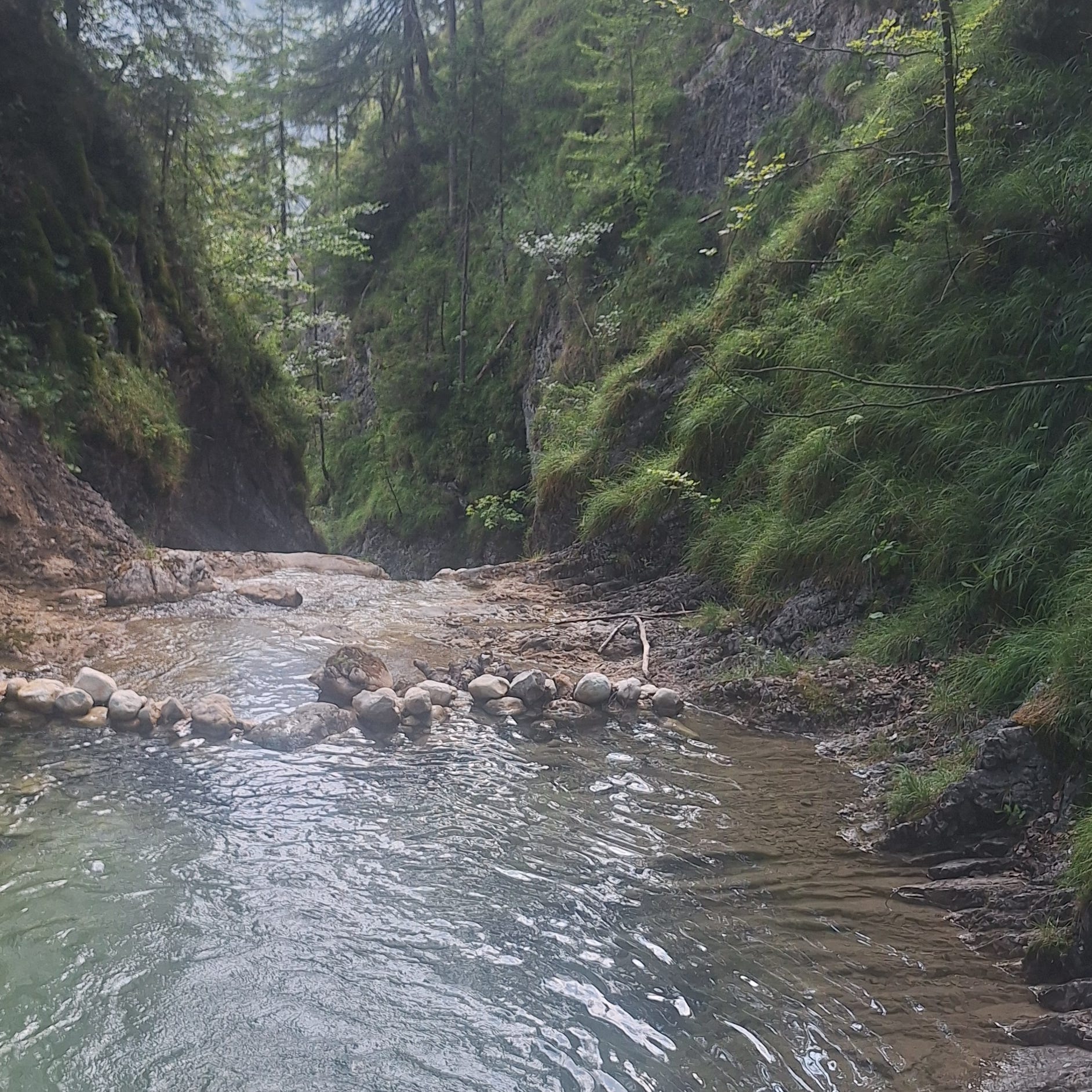
We finally got to our mountain hotel near Bayerischzell, nestled in the Bayerischer Voralpen, one of the most beautiful landscapes in the country. Steep peaks, cool dark forests, Alpine meadows populated by herds of cows with their tinkling bells. Pristine waterfalls with swimming holes, clear pools where we discovered giant frogs and shy Alpine salamanders. We took a cog railway to the summit of the Wendelstein, explored a cave and beat the heat with a dip in Schliersee.
At a village fest in Spitzingsee, we were serenaded beneath an umbrella by four guys in Lederhosen playing accordian and brass instruments, while a thunderstorm raged. There we asked a few people about the “political situation”. The AfD came up, of course. One woman said she had voted for them because she was unhappy about her pension; but then later realised what the party really stood for and did a mock Hitler salute to illustrate her disgust for the rightwingers.
She told us people in Bavaria were losing their jobs in the car industry because Germany had “slept through e-mobility”. Housing was a huge problem too. People had to deal with rising rents while asylum-seekers got housed for free.
A man running a food truck at the fest said the AfD would never get big in Bavaria because of the CSU (the arch-conservative sister of the CDU that has controlled the state forever). Hmm, maybe…

After five days at 1,000m above sea level, we drove the same route back, suffered through massive traffic jams. My subjective impression was that there were fewer German auto brands on the road than ever before…and more Chinese ones.
Endless lines of trucks, mostly from other countries, crisscrossing Europe, clogged up a congested, stuck Germany.
We finally made it back to dirty, noisy, conflict-ridden Berlin, a different world from Bayerischzell.
Thanks for reading! Till next week.
Maurice
What else happened this week?
German police defuse explosive-laden drone at Leipzig airport
Ukrainian suspected of spying on arms firm
Low Water Levels Are New Setback For The German Economy
Germany deports Bob Vylan frontman for anti-Israel chants
Documentary: Germany’s “Village for sick children” (turn on English subtitles)
💰 Money-Saving Tip of the Week from Smart Living in Germany
One of the easiest ways to get free groceries and household products in Germany is money-back promotions, often labeled “Gratis testen” or “Geld-zurück-Aktion”. You buy a participating product, upload a photo of it and your receipt on the promo page, and the full price is refunded to your bank account – so the item ends up costing nothing.
A few things to check: many promos only count if the pack carries the promotional sticker, and each has a purchase deadline and a separate upload deadline, so hold on to your receipt. Brands like Kinder, Persil, and Nutella run these regularly, and you’ll find them at dm, Rossmann, and most supermarkets. New deals appear constantly, and Smart Living in Germany newsletter regularly rounds up the current ones – subscribe to catch them before they expire.
My other newsletters:
Friends: