#34: Can Germany take the heat?
It's getting hotter and we're not really prepared
Today, Saturday, I’m celebrating my birthday at a friend’s house in the country. It’s going to be a scorcher.
It got me thinking about the weather.
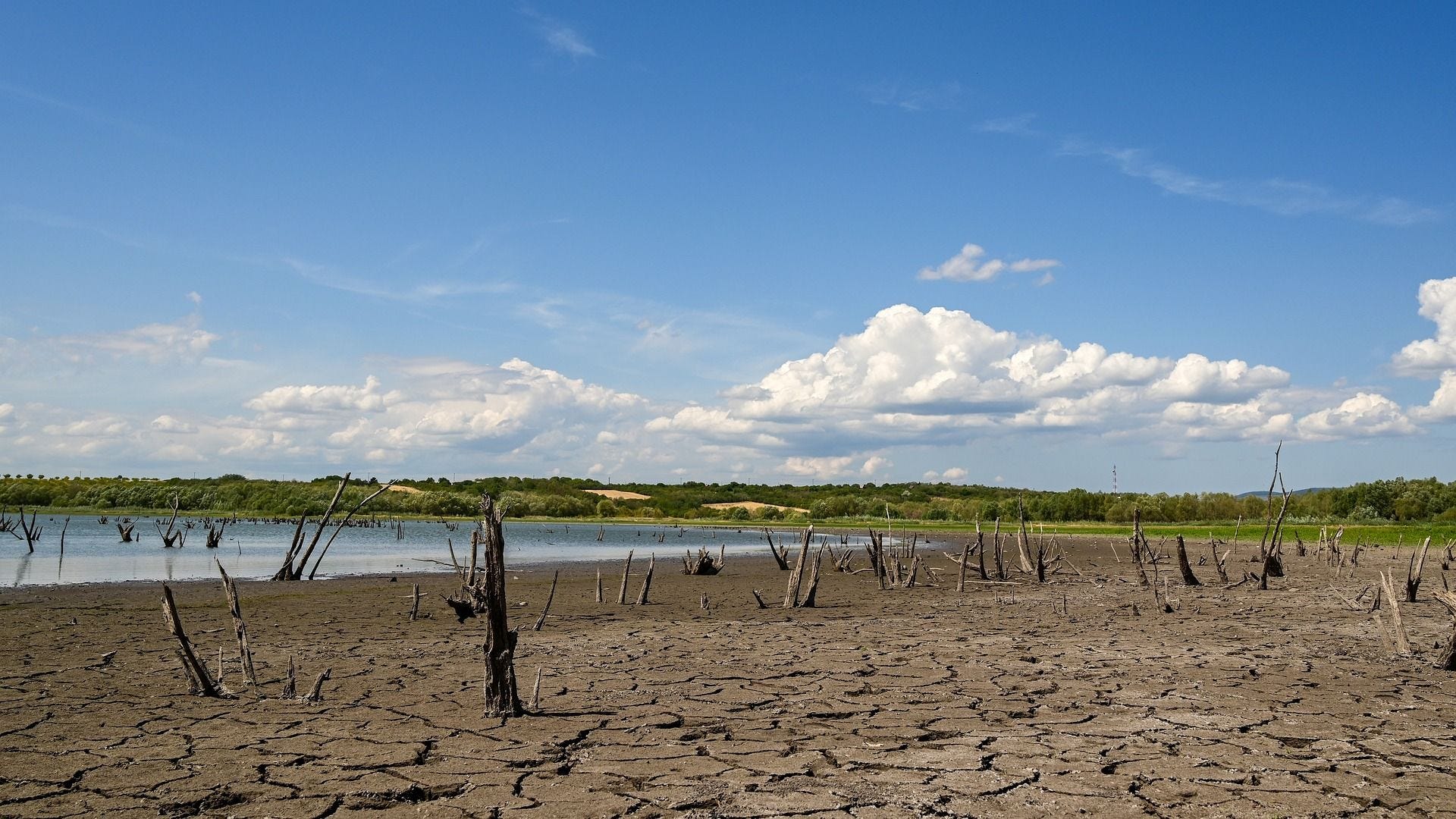
It’s getting hotter year after year. Dry spells are getting worse but extreme rain and floods are also more frequent. Last winter we had more snow than in decades, it seemed.
And yet climate change and environmental concerns have fallen under the radar as wars, Trump and AI take up our bandwidth.
It’s as if we’ve forgotten that climate is fundamental to our existence as a species.
The climate emergency (as The Guardian calls it) is happening. Germany isn’t immune.
from our sponsor
Impossible to find a flat in Berlin?
People, there is still hope: there is Get The Flat!
“We managed to find a flat within two months, and now we’re living in a lovely flat near Ostbahnhof in Berlin. We are forever grateful to this and cannot recommend it enough.”
Hotter
Heat records keep getting broken. The hottest temperature recorded in Germany to date is 41.2 °C in the Duisburg-Baerl and Tönisvorst in North Rhine-Westphalia. That was on July 25, 2019.
The hottest year on record, according to the German Weather Service, was 2024, with an average temperature of 11.19°C
Spring 2025 was the driest in Germany since measurement began in 1881.
But what’s wrong with a little warmer weather in a cold country, you might ask yourself.
Here’s a incomplete list of how Germany is affected.
A drought in 2018 caused billions of euros in agricultural losses thanks to crop failure. Eight thousand farmers applied for emergency aid. Brandenburg and Saxony-Anhalt were hit hardest.
Thanks to warmer temps and dryness, German forests are becoming more vulnerable to disease and pests like bark beetles. Meaning more forest fires, damage to habitats.
Heat above 30°C causes concrete to buckle and railway tracks to warp, meaning closures of autobahns, bridges and train lines.
Hot days cause electricity prices to surge thanks to extra cooling.
Low water levels on the Rhine and other major rivers impede transport and messes with industry.
Species from hotter climates are migrating north, like the poisonous oak processionary moth caterpillars that took over several trees at my son’s school.
And, finally, human mortality is directly impacted. A paper published in Nature estimates there were 48,000 preventible heat-related deaths in Germany between 2014-2023.
…then there’s the flooding
In July 2021 a freak low pressure system called Bernd dumped 150mm of rain within 72 hours in the Ahr Valley and parts of Belgium, with horrific consequences: 200 deaths, €33 billion in damage. The lives of 42,000 people were thrown into turmoil. Three-quarters of the deaths took place in areas not even considered flood zones. It was the deadliest flood in recent German history. Such extreme “rain events” occur only once every 400 years but the German Meterological Service (DWD) says that manmade climate change is making them more likely.
As temperatures rise, air’s capacity to absorb water vapour increases. Increased absorption capacity, together with more evaporation over the warmer sea surfaces, leads to more moisture absorption in the air over the sea. If that air then moves onto land, there is more water in the air to precipitate, meaning a heavier downpour. - Clean Energy Wire
In short, not only is Germany getting hotter. It’s getting drier in places, wetter in others.
German climate policy, while more or less hitting its targets, isn’t going to slow down the rise in temperatures any time soon. With the world in turmoil on so many other fronts, climate has become a second-tier problem, even to politicians that still care about it.
The Merz government has slowed the phase-out of combustion engines, watered down the previous government’s law that mandated clean heating systems, and cut taxes on flights. Merz and Co’s priorities seem to lie in boosting the economy and watering down environmental policies they think might send voters into the arms of the AfD.
Oh yeah, the AfD: They don’t think manmade climate change is a problem at all.
But whether we believe in it or not, the climate is changing. We’re going to have to adapt.
There’s a strategy, at least
Olaf Scholz’s traffic light coalition created a climate adaption strategy in 2024, an update to a 2008 document. Under it, Germany has committed to a varied list of measures, from planting trees for shade to providing public drinking fountains, reinforcing roads and buildings in flood-prone zones and improving people’s ability to cope with pollen allergies (also on the upswing).
Then there’s the NINA app, which sends out warnings if something apocalyptic is happening near you, from a blackout to a flood to a military attack. NINA is available in 8 languages.
Cities are also trying to adapt to the heat…
🚢 Hamburg is building its dikes higher, installing storm surge barriers, and restoring wetlands to protect against rising sea levels.
🏞️ Bavaria is restoring natural floodplains along the Danube and Isar, allowing water to spread out during heavy rain.
🧽 Cologne is becoming a “sponge city” by expanding green spaces to absorb and slow stormwater runoff.
🌳Berlin is planting a million more trees by 2040.
And yet, under Merz, federal adaption grants are being cut. The government’s €500 billion special investment fund is mostly being funneled into climate change technology and improving infrastructure rather than adaption measures. Merz calls this “climate pragmatism”.
In some cities, the shift to the right means fewer resources are put into climate adapation. In Magdeburg, the CDU and AfD have been the largest parties in the city council since the 2024 elections. Last month, the council slashed funding for adapation programmes even though the city’s own “heat plan” predicts that perceived temperatures could reach 52°C in the city centre within 20 years.
Unsurprisingly, Magdeburg, which suffers from a lot of paved and concrete surfaces that heat up in summer, scored poorly in Deutsche Umwelthilfe’s Hitze-Check 2026 report, which grades cities on how they’re prepping for rising temperatures.
Central Magdeburg has also lost 70,000 shade trees to construction over the last decade. Instead of planting new ones, the council is greenlighting a brand new downtown parking garage for 600 cars. 🤦🏻
Thanks for reading and keep cool.
Maurice
What else happened?
😟 Name of missing German model reappears in Epstein files
✂️ German broadcaster removes TV intro after Elon Musk takes legal action
🍺 Electric trucks for the world’s oldest brewery
⚽ Germany’s 2026 World Cup squad built on African roots
💀 I co-produced a film dealing with our anxiety about the “end of the world” called We’re All Going to Die. Watch it here!
💰 Money-Saving Tip of the Week from Smart Living in Germany
Kleinanzeigen is full of great deals, but shipping costs can make them less attractive. This is why it’s worth keeping an eye on shipping promos – Kleinanzeigen regularly runs deals with DHL or Hermes to waive or cut shipping costs when buyers pay through “Sicher bezahlen” (secure on-platform payment).
There’s one running right now: Hermes Päckchen and Paket S ship free (normally 5.19€ and 5.79€), and Paket M is down to 2.99€ instead of 5.99€ – valid until July 9, or until sold out. “Sicher bezahlen” does charge a small platform fee, so it’s worth checking the total, but for heavier or bulkier items, free or near-free shipping can make a real difference.
For more tips on saving money and navigating life in Germany, subscribe to the Smart Living in Germany newsletter.
My other newsletters:
Friends: